Before I Could Read, I Was Already Communicating
Returning to St. John’s Preschool helped me see a familiar childhood memory in a completely different way: before I could rely on written words, I already had other ways to communicate.
Long before I knew I was dyslexic, and before I could confidently recognize letters and numbers, I was already communicating.
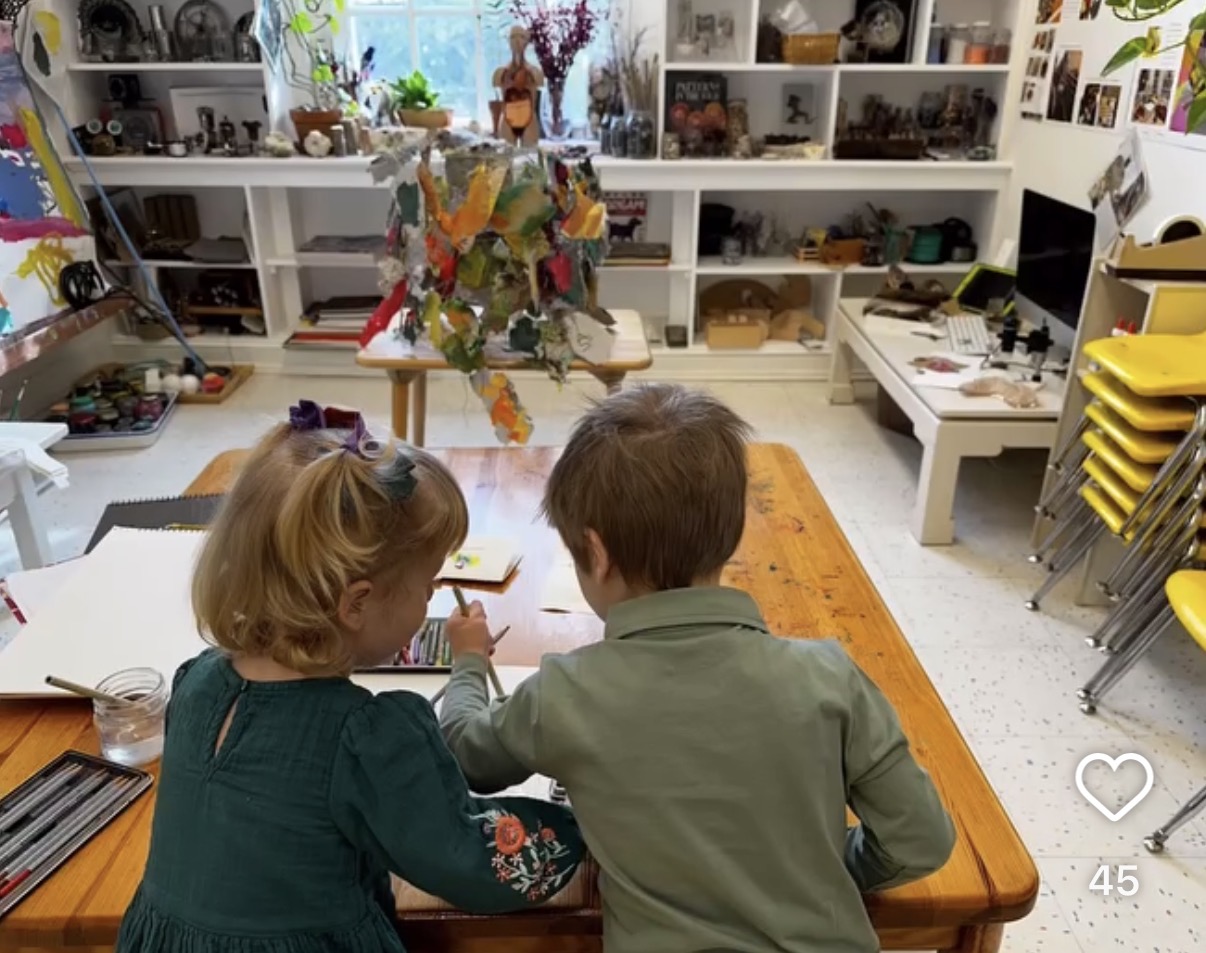
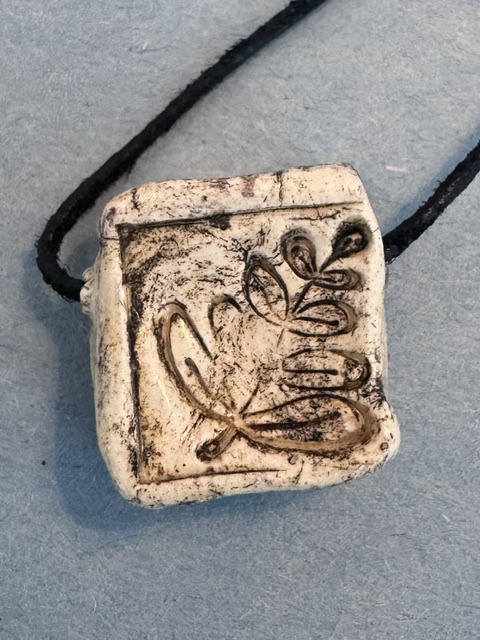
At the Message Center in my preschool classroom at St. John’s, I could draw pictures, use symbols, and arrange materials to represent my ideas. I signed my messages with my own personal symbol, a leaf. My friends knew who the message was from and understood what I was trying to say. At the time, I did not think much about it. I was just communicating with my classmates.
This summer, I returned to St. John’s as part of my Visual Voices research and spoke with Molly McSherry, the director of the preschool. Unlike many of my interviews, this conversation was not about visiting a new school or learning about an unfamiliar philosophy. It was about returning to the place where my own educational journey began and looking at a familiar experience through a completely different lens.
The Message Center and my leaf symbol have always been a core part of how I remember preschool. What changed through this conversation was not the memory itself, but how I understood it. Looking back now, I can see that the Message Center gave me a way to participate in literacy and communication before I could rely on written words.
One of the ideas we discussed was that communication is much broader than spoken or written language. At St. John’s, children express themselves through drawings, symbols, gestures, construction, dramatic play, and documentation. These are not treated simply as preparation for “real” literacy. They are meaningful forms of communication on their own.
That idea made me think differently about literacy. Molly explained that young children can understand and think about much more than they are sometimes able to show through conventional reading and writing. Documentation gives teachers another way to see that thinking by listening to conversations, collecting children’s work, and revisiting their ideas over time.
As someone who was diagnosed with dyslexia in first grade, this felt especially meaningful to me. It made me wonder how many children have interesting, creative ideas that can be missed when we only look at what they are able to read or write. When educators pay attention to different forms of communication, more children have opportunities to show what they know and to feel capable and understood.
Our conversation also made me think about how communication builds relationships. Whether children are leaving messages for one another, creating shared symbols, or working together on projects, they are doing more than exchanging information. They are learning how to share ideas, solve problems, and be part of a classroom community.
Perhaps what surprised me most was realizing how much my own experience at St. John’s connects to the questions I am asking through Visual Voices now. Long before I knew words like multimodal communication or early literacy, I was experiencing those ideas firsthand. The drawings, symbols, and materials around me were not just classroom activities. They gave me ways to participate and communicate before reading and writing came easily to me.
I keep coming back to a question that grew out of this conversation: What do we notice about children’s thinking when we stop looking only for words?
That feels like a question I want to keep following as Visual Voices develops.